The Journey of the Bean: Exploring Coffee Origins
Coffee, the world's most beloved beverage, embarks on a fascinating journey from seed to cup. Its story is deeply intertwined with the lands where it's cultivated, the unique climates, and the dedicated farmers who nurture these precious beans. At Bean & Brew, we believe understanding the origins of your coffee enhances your appreciation for its distinct flavors and characteristics. Join us as we traverse the globe, uncovering the secrets behind the world's most celebrated coffee regions.
Ethiopia: The Birthplace of Coffee

Ethiopia, widely regarded as the birthplace of coffee, boasts a rich and ancient coffee heritage. The legend of Kaldi, the goat herder who discovered coffee's invigorating effects, is a testament to Ethiopia's deep connection to this magical bean. Ethiopian coffee is typically grown in high-altitude regions, contributing to its bright acidity and complex flavor profiles. Renowned for its floral and citrus notes, Ethiopian Yirgacheffe is a highly sought-after variety. Sidamo coffee, another popular choice, offers a medium body and delicate fruity flavors. The washed processing method is common, resulting in a clean and vibrant cup. Natural processed Ethiopian coffees, on the other hand, are known for their intense fruitiness and wine-like qualities.
Key Characteristics of Ethiopian Coffee:
- Growing Conditions: High altitudes, fertile soil, traditional farming practices.
- Flavor Profile: Floral, citrus, fruity, wine-like.
- Processing Methods: Washed, natural, honey processed.
Colombia: The Heart of Arabica
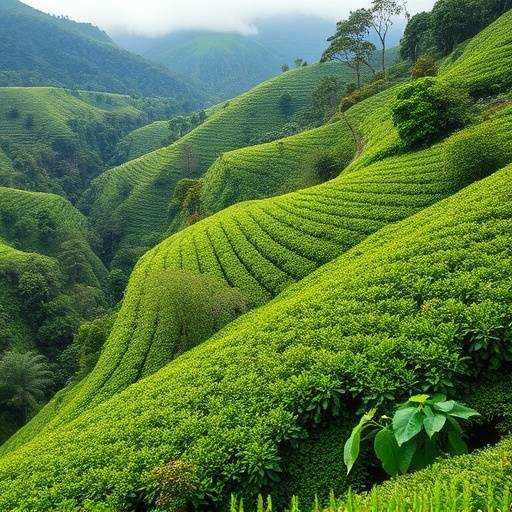
Colombia, nestled in the Andes Mountains, is synonymous with high-quality Arabica coffee. The country's ideal climate, volcanic soil, and meticulous harvesting techniques contribute to its exceptional coffee production. Colombian coffee is known for its well-balanced flavor, medium body, and bright acidity. The most common varieties include Typica, Caturra, and Castillo. The washed processing method is prevalent, ensuring a clean and consistent flavor profile. Farmers, often members of cooperatives, are dedicated to sustainable practices and preserving the integrity of Colombian coffee. Traveling the "Coffee Triangle" (Zona Cafetera) of Colombia reveals the deep cultural roots and economic significance of coffee cultivation in this nation.
Key Characteristics of Colombian Coffee:
- Growing Conditions: High altitudes, volcanic soil, abundant rainfall.
- Flavor Profile: Balanced, medium body, bright acidity, notes of caramel and citrus.
- Processing Methods: Primarily washed.
Brazil: The Land of Volume and Variety
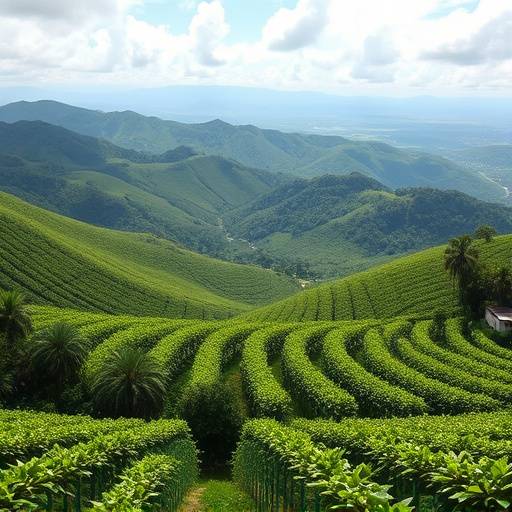
Brazil, the world's largest coffee producer, is known for its vast coffee plantations and diverse range of flavor profiles. The country's lower altitudes and extensive land make it suitable for large-scale coffee cultivation. Brazilian coffee is often characterized by its nutty, chocolatey, and caramel notes, with a smooth body and low acidity. While Brazil produces a significant amount of commercial-grade coffee, it is also increasingly recognized for its specialty coffee offerings. Natural and pulped natural (honey) processing methods are common, contributing to the coffee's sweetness and body. Brazilian coffee is often used as a base for espresso blends, providing a rich and creamy texture.
Key Characteristics of Brazilian Coffee:
- Growing Conditions: Lower altitudes, large-scale plantations, diverse climate.
- Flavor Profile: Nutty, chocolatey, caramel, smooth body, low acidity.
- Processing Methods: Natural, pulped natural (honey), washed.
| Origin | Growing Conditions | Flavor Profile | Processing Methods |
|---|---|---|---|
| Ethiopia | High altitudes, fertile soil | Floral, citrus, fruity | Washed, natural |
| Colombia | High altitudes, volcanic soil | Balanced, bright acidity | Washed |
| Brazil | Lower altitudes, large-scale | Nutty, chocolatey, low acidity | Natural, pulped natural |
Beyond the Big Three: Other Notable Coffee Origins
While Ethiopia, Colombia, and Brazil dominate the coffee landscape, many other regions contribute to the global coffee tapestry. Vietnam, the world's second-largest coffee producer, is known for its robusta beans, often used in instant coffee and traditional Vietnamese coffee. Sumatra, an Indonesian island, produces distinctive earthy and spicy coffees. Kenya, with its high-altitude farms, offers vibrant and complex coffees with black currant and tomato-like acidity. Each region brings its unique terroir and processing techniques to the table, resulting in a diverse range of flavors for coffee enthusiasts to explore.
- Vietnam: Known for Robusta beans, strong and bold flavors.
- Sumatra: Earthy, spicy, full-bodied coffees.
- Kenya: Bright acidity, black currant notes.
As Javier Rodriguez, a renowned coffee expert from "Café Excelencia" in Medellín, Colombia, once said: "Understanding the origin of coffee is understanding its soul. Each bean tells a story of the land, the people, and the passion that goes into creating a truly exceptional cup."